Key Takeaways
- Baijiu is a distilled Chinese spirit, while sake is a brewed Japanese alcoholic drink. They mainly differ in strength, aroma, texture, and recommended drinking style.
- Baijiu is typically much stronger and served in small pours, while sake is generally lower in alcohol and meant to be sipped gradually throughout a meal.
- Baijiu flavours can range from fruity and floral to intensely savoury, fermented, and earthy, depending on its aroma style. Sake can range from delicate and fragrant to richer and more umami-led.
- Baijiu tends to suit bold, richly seasoned dishes, while sake often pairs more naturally with seafood, lighter dishes, and delicate flavours.
- For newcomers comparing baijiu vs sake, it helps to approach them as two distinct drinks, each with its own flavours, traditions, and ways of enjoying it.
Introduction
If you are starting to explore alcoholic drinks from Asia, baijiu and sake are two names you are likely to come across. Both have long histories, strong connections to food, and an important place at the dining table, but the drinking experience can be surprisingly different.
From how they are made to their strength, flavours, and serving styles, here is what we think is most useful to know before choosing between them.
Key Differences Between Baijiu and Sake
| Baijiu | Sake | |
|---|---|---|
| Production | Fermented, then distilled | Brewed and fermented |
| Main ingredients | Commonly sorghum and/or other grains | Rice, water, koji, and yeast |
| Typical strength | Often 40% ABV or higher | Commonly around 15% ABV |
| General character | Concentrated, bold, highly aromatic | Delicate to rich, often smooth and umami-led |
| Serving | Usually neat in small glasses | Chilled, room temperature, or warm depending on style |
| Best suited to | Toasts, banquets, rich meals | Longer meals, seafood, Japanese food, varied pairings |
1. How They Are Made
Production is probably the most important distinction between baijiu and sake.
Baijiu is a distilled spirit. Most Chinese baijiu is made from grains, with sorghum particularly important in many famous styles, although wheat, rice, corn, and other grains may also be used. Fermentation typically involves qu, a grain-based fermentation starter containing microorganisms that help convert starches and drive fermentation. The fermented material is then distilled.
Sake, by contrast, is brewed rather than distilled. It is made primarily from rice, water, koji, and yeast. Koji is rice cultivated with a specific mould that produces enzymes needed for fermentation. These enzymes convert rice starch into fermentable sugars, while yeast turns those sugars into alcohol. Unusually, these processes occur simultaneously in the fermenting mash, a method known as multiple parallel fermentation.
2. Alcohol Strength
Baijiu is generally the stronger pour. Many expressions sit above 40% ABV, with the flagship Moutai, for example, bottled at 53% ABV.
Sake is much closer to wine strength. Many bottles sit around 14–17% ABV, although the exact figure varies by producer and style.
3. Flavour Profile
Baijiu can be remarkably aromatic. Rather than having one standard flavour profile, it is divided into aroma styles. Sauce-aroma baijiu can be deep, savoury, fermented, and layered, while strong-aroma expressions can show pronounced fruit and fermentation notes. Light-aroma styles can feel cleaner and more restrained. For first-time drinkers, that intensity can be surprising.
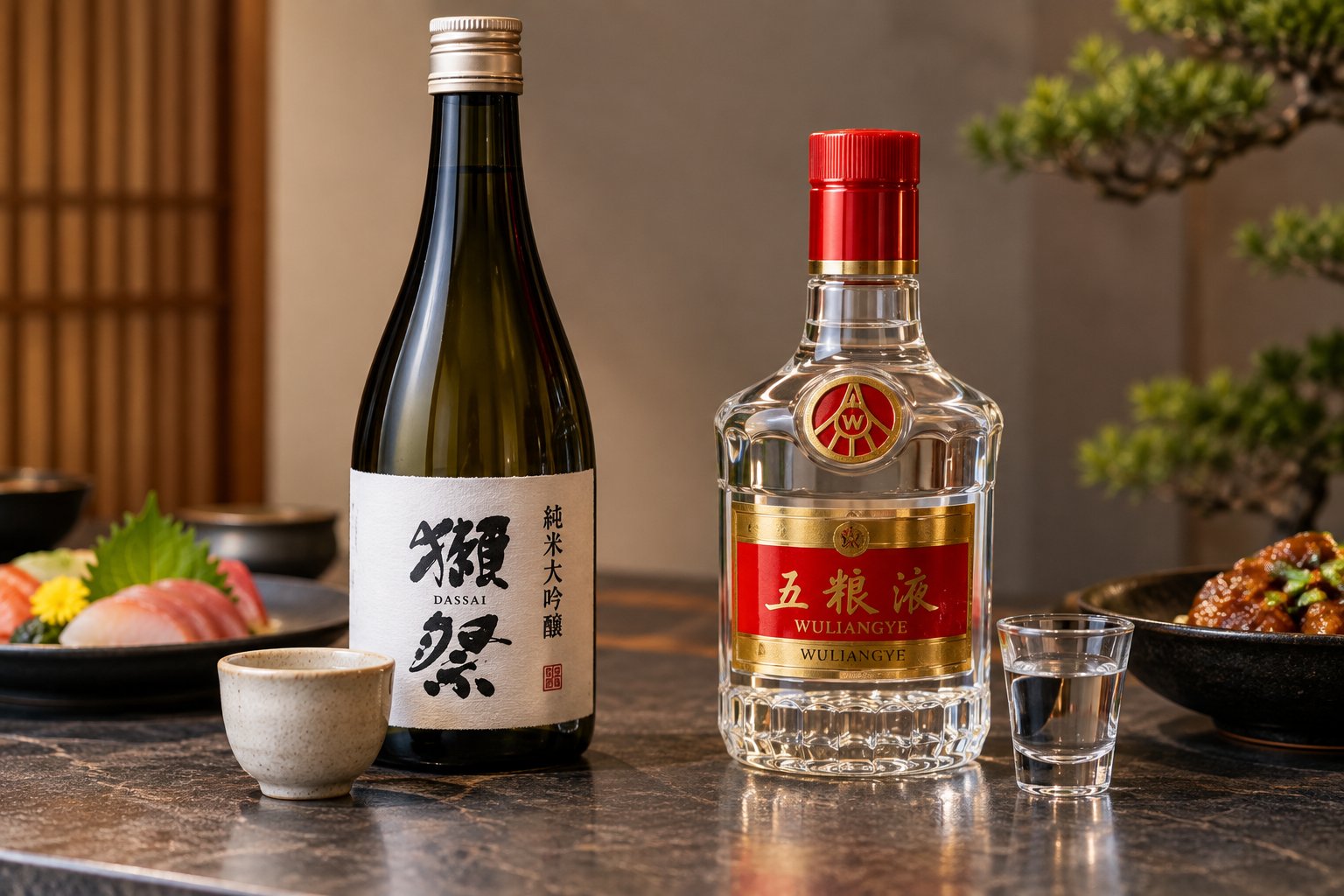
Sake often feels gentler by comparison, but there is still considerable variation. Depending on the rice, polishing ratio, yeast, brewing technique, and serving temperature, you may find apple, pear, melon, floral, cereal, earthy, or savoury notes. Dassai 45, for instance, leans towards the lighter, more aromatic end of the spectrum, with fruity notes and a delicate sweetness.
4. How They Are Served
How you serve baijiu and sake can shape the experience considerably. With baijiu, the focus is usually on smaller pours, while with sake, serving temperature is one of the main choices to make.
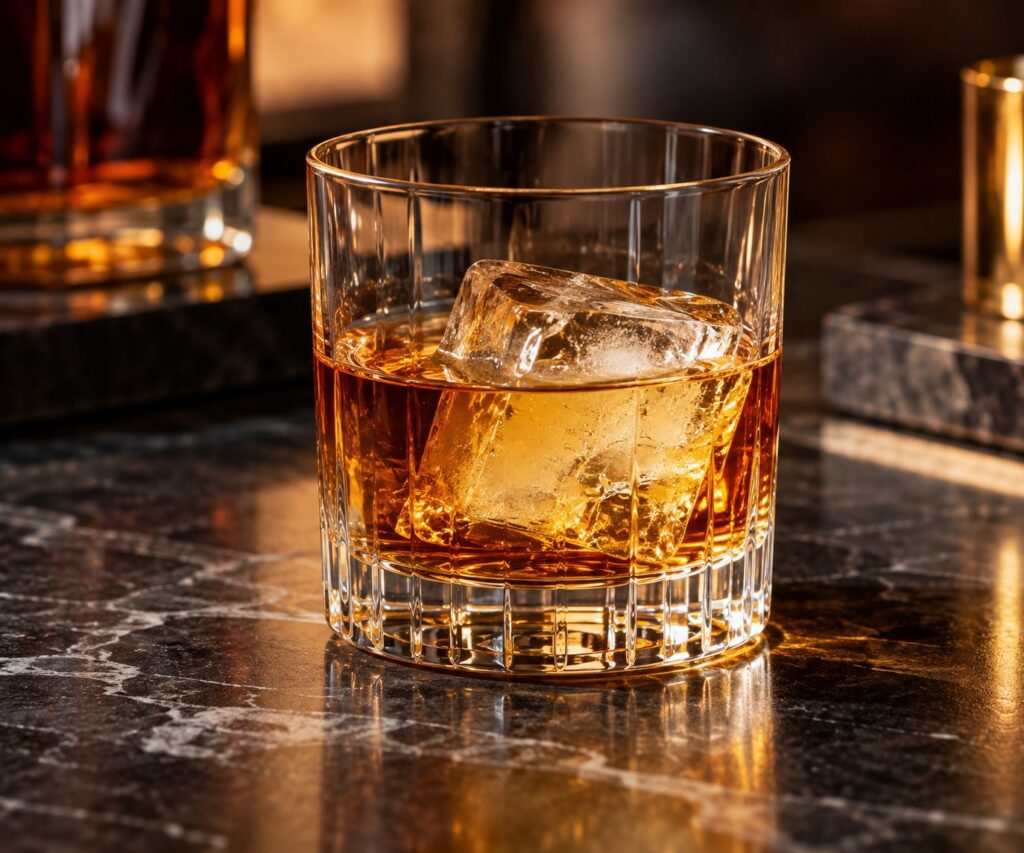
Baijiu is typically served neat in small glasses, which suits its higher alcohol content and concentrated flavours. While it has a long tradition of being shared during meals and celebratory toasts, today you may also come across baijiu enjoyed more casually or used in cocktails. If you are new to it, we recommend starting with a small pour and sipping it slowly to get a better sense of its distinctive aromas and flavours.
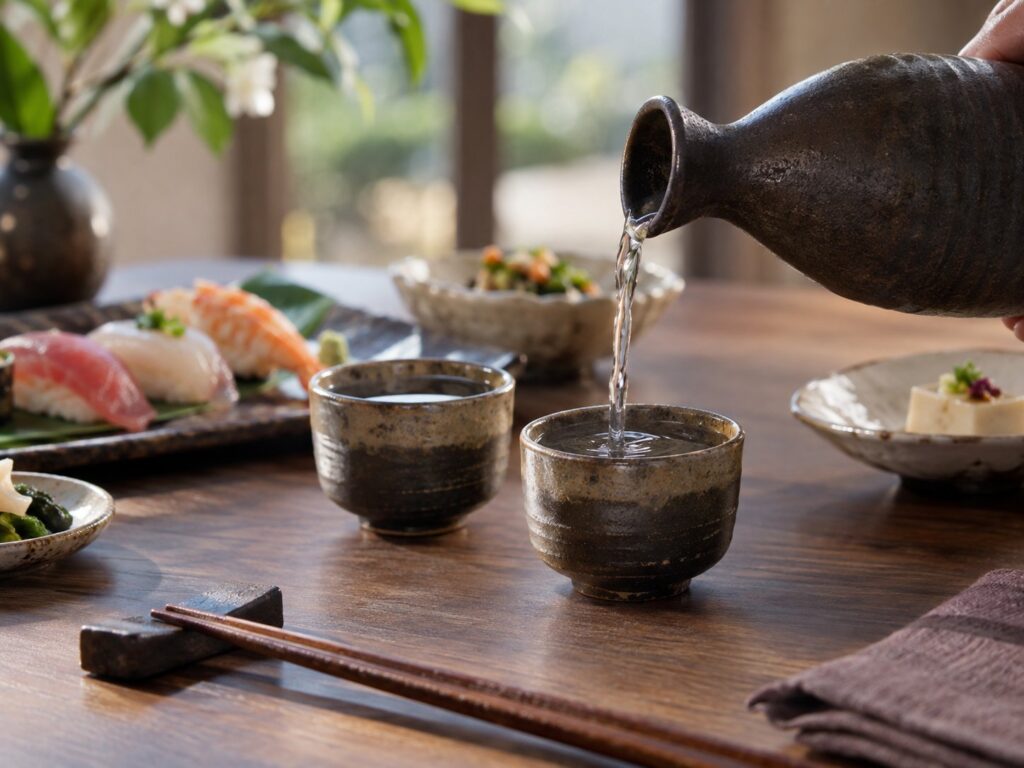
With sake, we recommend choosing the serving temperature based on the style you have. Lighter, more aromatic sake is often best served chilled to keep its flavours fresh and fragrant, while richer or more savoury styles may open up at room temperature or when gently warmed. If you are unsure, start slightly chilled and let the sake warm gradually in the glass to see how its aromas and flavours develop.
5. Food and Occasion Pairings
When pairing food with baijiu and sake, it’s important to consider the intensity of the food. You do not need to match every tasting note. Instead, think about whether the food is bold and richly seasoned or lighter and more delicate.
Try baijiu with:
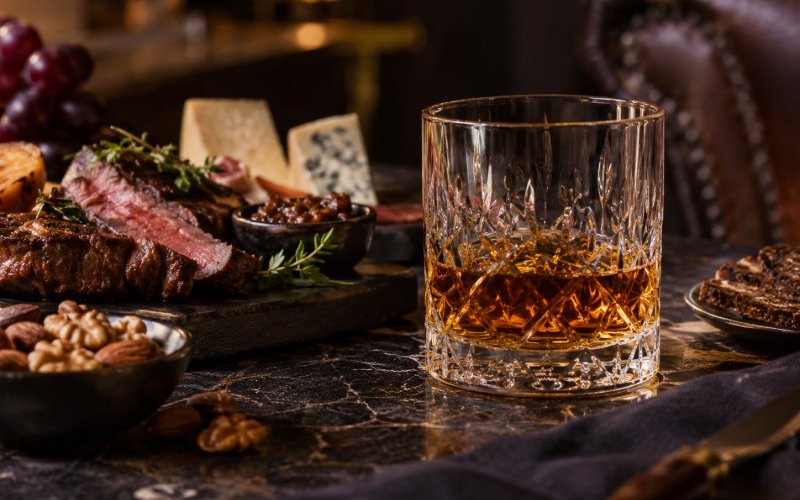
- Roast duck, char siu, and other roasted meats
- Braised dishes with rich, savoury sauces
- Sichuan food and other spicy dishes
- Hotpot, especially with strongly flavoured broths
- Grilled meats and barbecue
Try sake with:
- Sashimi, sushi, and oysters
- Steamed or grilled fish
- Yakitori and grilled chicken
- Tofu, mushrooms, and vegetable dishes
- Lighter shared plates and seafood
There is plenty of room to experiment within these pairings. A lighter baijiu, for example, may suit a different dish than a richer, sauce-aroma style, just as a crisp, aromatic sake will behave differently with food than a fuller, more savoury bottle.
Which One Should You Choose?
When customers are deciding between baijiu vs sake, we usually suggest starting with what they already enjoy drinking. Neither is inherently more approachable; they simply appeal to different tastes and drinking styles.
You may prefer baijiu if you:
- Already enjoy whisky, Cognac, or other higher-ABV spirits
- Like bold, concentrated aromas and flavours that take time to explore
- Are curious about traditional Chinese spirits and their different aroma styles
- Prefer smaller pours rather than drinking a bottle steadily throughout an evening
- Want something distinctive for a celebration, gathering, or gift
If that sounds like you, a sauce-aroma baijiu such as Moutai or Guizhou Xijiu can introduce you to the category’s richer, more savoury side.
You may prefer sake if you:
- Usually gravitate towards wine or other lower-ABV drinks
- Enjoy cleaner, fruitier, floral, or more delicate flavours
- Prefer something you can sip gradually over a longer evening
- Like experimenting with different serving temperatures
- Want an approachable bottle for casual gatherings, dinner parties, or gifting
For a first bottle, fragrant styles such as Dassai or Tatenokawa sake can be an easy place to start. If you are choosing something for a special occasion, you could also explore more sought-after labels such as Juyondai.
Conclusion
Baijiu and sake may both have deep roots in Asian drinking culture, but they offer distinctly different experiences. Understanding how they are made, what they taste like, and how they are enjoyed makes it much easier to approach either bottle with the right expectations.
At Life ’N Liquor, we carefully curate authentic bottles from established producers, so you can explore everything from renowned baijiu to premium Japanese sake with confidence. Browse our selection online and discover a bottle that gives you a new appreciation for tradition, delivered conveniently to your doorstep in Singapore.
Frequently Asked Questions
1. Does baijiu get better with age?
Not necessarily once it is bottled. While ageing and maturation can play an important role during production, keeping a bottle of baijiu at home for longer does not automatically improve its flavour. Good storage matters more, especially keeping the bottle sealed and away from heat and direct sunlight.
2. How long does sake last after opening?
Once opened, sake will gradually lose some of its freshness and aroma. We recommend resealing the bottle, keeping it refrigerated, and drinking it relatively soon. More delicate, aromatic styles may show changes sooner than richer styles.
3. Can you drink sake from a wine glass?
Absolutely. While traditional sake cups have their place, a wine glass can be particularly useful for aromatic sake because the wider bowl gives you more room to appreciate its fragrance. You do not need traditional glassware to enjoy sake properly at home.