Key Takeaways
- When it comes to hot sake vs cold sake, there is no “correct” choice. Some bottles taste fresher and more aromatic when chilled, while others become rounder and more savoury when gently warmed.
- We usually recommend choosing the serving temperature based on the sake’s style, the food you are eating and the flavours you personally enjoy.
- Light, fruity and floral sake often suits a chilled serve, while fuller, rice-forward or umami-led styles can work well warm.
- Room temperature can be a useful middle ground, especially if you want to understand a new bottle’s natural aroma, texture and flavour before chilling or warming it.
Introduction
One of the most common misconceptions about sake is that there is a single “correct” way to serve it. Some people associate sake with a steaming flask at a Japanese restaurant, while others assume good-quality sake should always be served chilled. In reality, both hot and cold sake can be right depending on the bottle.
When we decide how to serve sake, we usually look at three things: its flavour profile, what is being served alongside it, and how the drinker prefers their sake to taste. In this guide, we will show you how to use those clues to decide whether your next bottle is better served cold, warm or somewhere in between.
How Does Temperature Change the Taste of Sake?
Different serving temperatures can change how sake smells, tastes, and feels in your mouth. As a general guide:
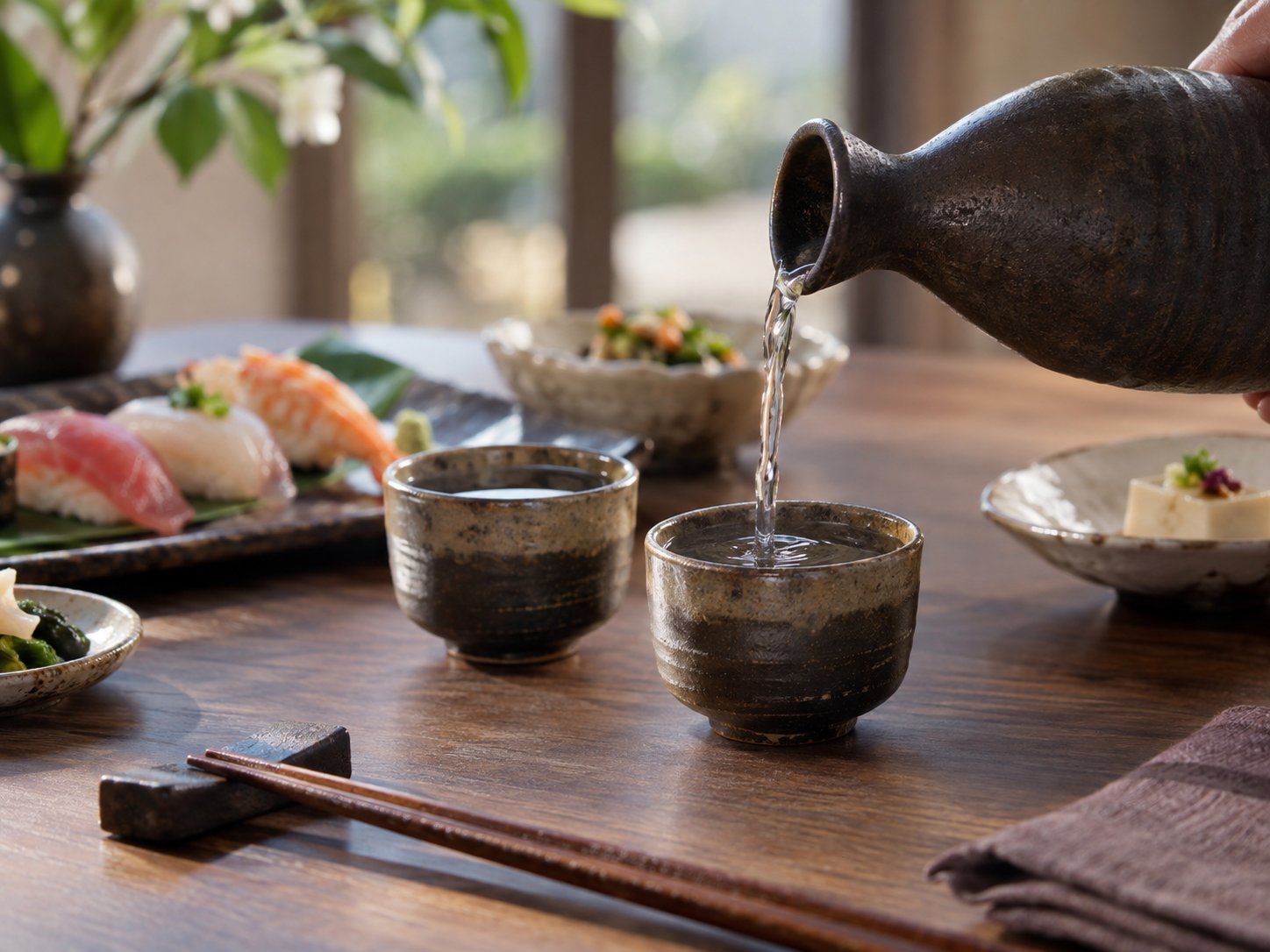
- Chilled sake, around 8–10°C: Sweetness and umami can feel more restrained, giving the sake a lighter, fresher impression. Fruity and floral notes may also feel cleaner and more delicate.
- Room-temperature sake: More of the sake’s natural texture and aroma can come through without the freshness of chilling or the fuller character of warming.
- Warm sake, around 40–50°C: Sweetness, umami and rice-derived aromas can become more noticeable, while the texture may feel rounder and fuller.
That is why there isn’t a single answer to the hot vs cold sake debate. The right choice depends on the style of sake, the flavours you enjoy, and what you are serving it with.
When We Would Serve Sake Cold
We usually recommend serving sake chilled when it has a lighter, fresher or more aromatic character. This is especially common with Ginjo and Daiginjo sake, which are styles known for their more delicate fruit and floral aromas.
Cold sake can be a good choice when:
- The bottle tastes light, fruity, floral or crisp
- You are serving sushi, sashimi, oysters, steamed fish or chilled appetisers
- You want something refreshing, particularly in Singapore’s warm weather
- You usually enjoy crisp white wines or lighter cocktails
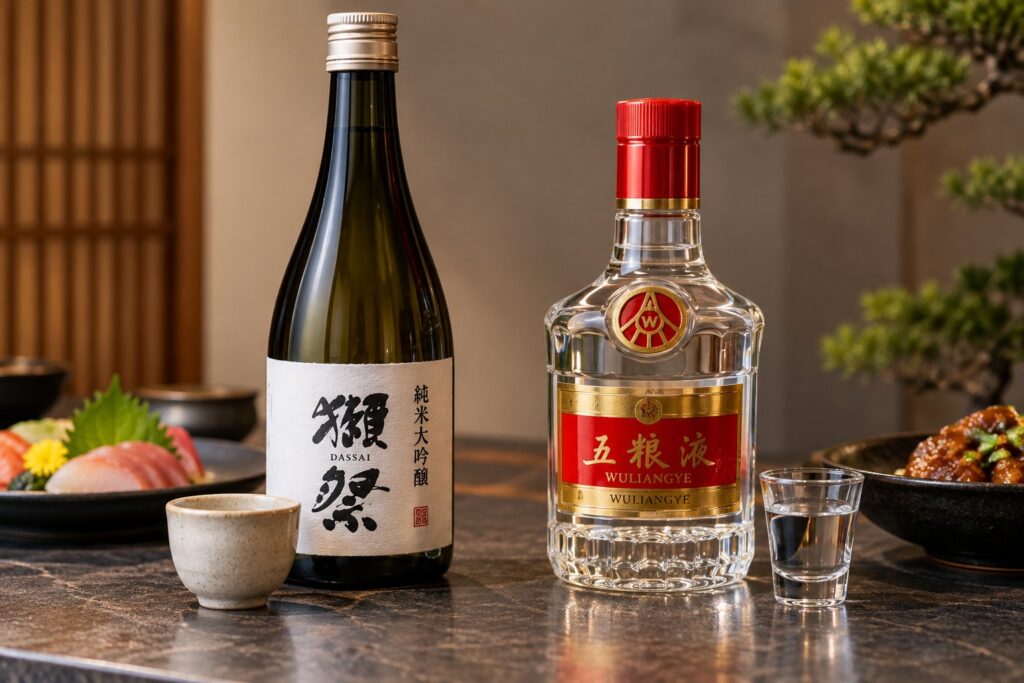
If you are buying sake for the first time, checking the producer’s serving recommendation is a useful starting point. For example, the producer of Dassai sake recommends serving it chilled at around 10–12°C.
Some bottles of Tatenokawa sake can also be served chilled, although the ideal temperature varies between bottles. For example, Tatenokawa Souryu Junmai Daiginjo is a lighter, lower-alcohol expression with a fresh, cider-like aroma that the brewery specifically recommends enjoying chilled.
How to Keep Sake Chilled
Keep the bottle refrigerated until you are ready to serve it, especially for lighter and more aromatic styles. At the table, an ice bucket or chilled wine sleeve can help maintain the temperature without diluting the sake.
When We Would Serve Sake Warm
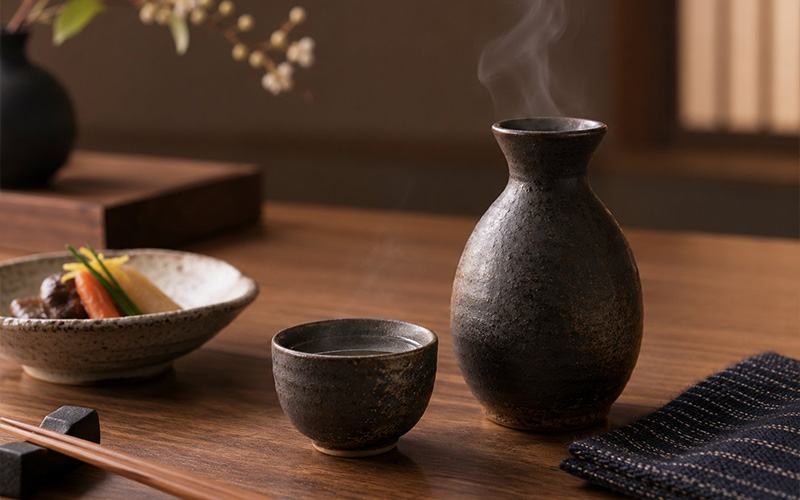
We are more likely to warm sake when it has a fuller body, noticeable rice character or a more savoury, umami-led profile. Gentle heat can make these qualities feel rounder and more pronounced, giving the sake a softer, richer impression.
When pairing food with warm sake, opt for heartier dishes such as:
- Yakitori and grilled chicken
- Mushrooms and other savoury vegetable dishes
- Hotpot or steamboat
- Soups, broths and other warming dishes
It is also worth clearing up a common misconception: warming sake is not reserved for cheaper bottles. Some premium sake is specifically made to be enjoyed at different temperatures. For example, Tatenokawa Honryu Karakuchi, a Junmai Daiginjo, can be served chilled or gently warmed to around 40°C. At the warmer temperature, its rice-derived umami becomes more noticeable.
How to Warm Up Sake at Home
For more control, pour the sake into a heat-safe tokkuri or small carafe, then place it in a bowl of hot water. Warm it gradually rather than heating it all at once, checking the temperature as you go. As a guide, nurukan refers to sake warmed to around 40°C, while atsukan is served hotter, at about 50°C.
You can also use a microwave for convenience. Heat the sake in short intervals, then gently stir or swirl it before serving so the temperature is more even.
Can Sake Be Served at Room Temperature
Yes. Rather than choosing between hot and cold sake, serving it at room temperature can be a good middle ground if you want to taste more of the sake’s natural aroma and texture. This usually means keeping your drink at around 15–25°C. In Singapore’s heat, however, we recommend simply taking a chilled bottle out of the fridge and letting it sit briefly in an air-conditioned room.
We often suggest trying sake at room temperature when the bottle has a little more body or savoury character. It can work well with grilled fish, chicken, light stir-fries and sharing dishes.
If you are opening a bottle for the first time, room temperature can also be a good way to get a sense of its natural character. Pour a small amount first, then try the next serving slightly chilled or gently warmed.
Find the Temperature That Brings the Bottle to Life
There is no need to get too caught up in rules when deciding between hot vs cold sake. Start with the producer’s recommendation, try a small pour, and pay attention to how the aroma, texture and flavour change as the temperature shifts. You may find that the same bottle works differently depending on the food, the weather or simply what you feel like drinking that evening.
At Life N Liquor, our online liquor delivery services make it easy to explore different styles without overcomplicating the process. Browse our curated sake selection online, choose a bottle that suits the occasion, and have it delivered straight to your doorstep in Singapore. From crisp, chilled pours for a seafood dinner to fuller sake for a warm meal at home, there is plenty of room to experiment and find what you enjoy most.
Explore our new arrivals today.
Frequently Asked Questions
1. Can you chill sake again after it has been warmed?
Yes, although repeated temperature changes can gradually affect the sake’s aroma and freshness. We suggest warming only the amount you plan to drink rather than heating the whole bottle.
2. Does Junmai sake always need to be served warm?
No. Junmai simply refers to sake made without added distilled alcohol. Some Junmai styles are excellent warm, while others are better chilled or at room temperature. The producer’s serving recommendation is the best place to start.
3. Should opened sake be kept in the fridge?
Yes. Once opened, sake should generally be resealed and refrigerated to slow down changes in flavour and aroma. For the best drinking experience, we recommend enjoying more delicate styles within the first few days.