Key Takeaways
- Neat means serving a spirit without ice, water, or mixers, while on the rocks means pouring it over ice that gradually chills and dilutes the drink.
- Try an unfamiliar spirit neat first to understand its original aroma, flavour, texture, and finish before making adjustments.
- Choose ice when you prefer a colder, softer drinking experience, particularly with fuller-bodied spirits that can retain their character as they dilute.
- If a whisky feels too intense but you do not want to chill it, add a few drops of water at a time. This gives you greater control over dilution and may make different aromas and flavours easier to notice.
- There is no single winner in the neat vs on the rocks debate. The same bottle can offer a noticeably different experience neat, with water, or over ice, so experiment to find the serve you prefer.
Introduction
If you are new to drinking spirits, you have probably heard terms like “neat” and “on the rocks” without giving much thought to what they actually mean. More importantly, does choosing one over the other really change what is in your glass?
Quite a bit, as it turns out. When you drink alcohol neat vs on the rocks, temperature and dilution can affect how strong a spirit feels, which aromas stand out, and even which flavours you notice as you sip.
What Do “Neat” and “On the Rocks” Mean?
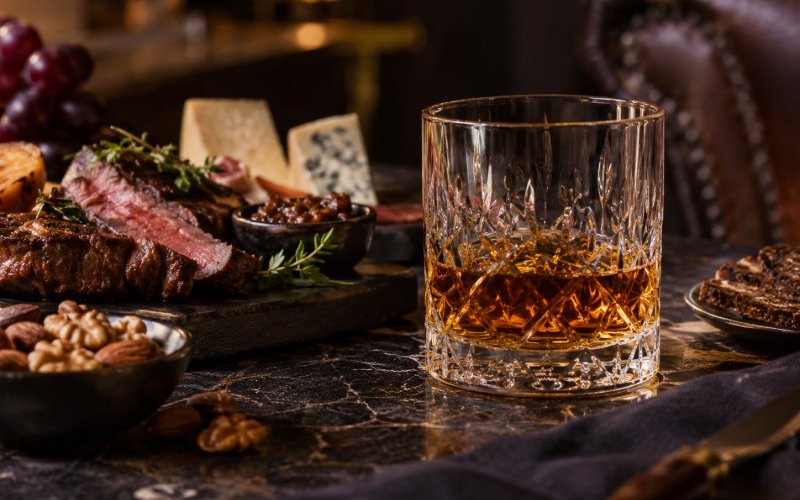
Drinking a spirit neat means pouring it straight from the bottle without ice, water, or mixers, usually into a tasting glass or rocks glass. It is served at its original alcohol strength and typically around room temperature. Without chilling or dilution, you can experience the spirit’s aroma, flavour, texture, and finish more directly, although the alcohol warmth may also feel more pronounced.
“On the rocks” means serving the spirit over ice, usually in a rocks glass. The ice immediately cools the drink and gradually adds water as it melts. This can soften the alcohol’s taste and make the spirit feel smoother and more refreshing, while also changing how prominent certain aromas and flavours seem.
There is also a useful middle ground. Adding a few drops of water lowers the alcohol concentration without significantly chilling the spirit, giving you more control over dilution.
When Should You Drink Spirits Neat?
We generally recommend trying a new spirit neat first, especially if it is a bottle you have not tasted before. Beyond that first taste, drinking neat may suit you when:
- The spirit is already balanced at its bottled strength: If the alcohol doesn’t overpower the flavours, you may find little reason to dilute it.
- Aroma and complexity are your priority: Neat is useful when you want to explore delicate fruit, oak, spice, floral, or savoury notes that chilling could make less noticeable.
- You are drinking a smaller pour slowly: A neat serve works well for an after-dinner dram or a premium spirit you plan to sip rather than drink over a longer casual session.
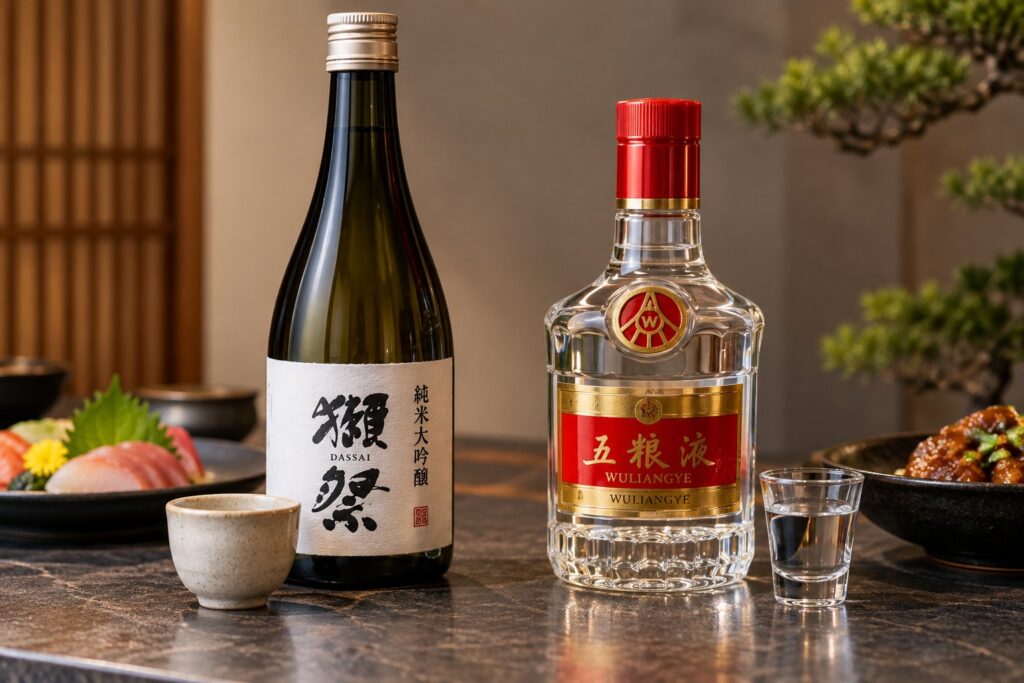
- You are pairing the spirit with food: Some spirits, particularly Cognac and Baijiu, can be enjoyed neat alongside food when you want their full flavour to stand up to the dish.
How to Drink WhiskyNeat
Start with a small pour of around 20–30 ml in a tasting or rocks glass. Let it rest briefly, then smell the whisky gently rather than taking a deep sniff, as the alcohol can overwhelm the subtler aromas.
Take a small sip and let it move across your palate before swallowing. Pay attention to how the flavour and finish develop. If the alcohol feels too prominent, add a few drops of water and taste again.
When Should You Drink On the Rocks?
We tend to recommend ice when you want to soften a spirit rather than examine every detail in the glass. As the ice chills and dilutes your pour, the alcohol can feel less pronounced, creating a cooler and more relaxed drinking experience.
Consider ice when:
- The alcohol feels too dominant neat: Cooling and gradual dilution can soften the alcohol warmth, making a stronger spirit easier to sip.
- You enjoy richer, fuller-bodied spirits: Whiskies with pronounced oak, spice, caramel, or dried-fruit notes may retain plenty of character as the ice melts.
- You want a longer, more casual drink: A pour over ice can suit social occasions where you are sipping slowly rather than concentrating on every aroma and flavour.
- You simply prefer your spirits cold: Particularly in Singapore’s warm climate, temperature alone may be a good enough reason to choose ice.
Fuller-bodied whiskies, aged tequila, and Cognac can all be worth trying this way. However, chilling can make some aromas less noticeable, so the same spirit may taste quite different than when you drink it neat.
How to Serve Spirits With Ice
Start by placing one large ice cube in a rocks glass, then pour the spirit directly over it. Let it sit for a few seconds to chill before taking your first sip. As you drink, the cube will melt gradually and soften the spirit. If it becomes too diluted towards the end, use a larger cube or a slightly smaller pour next time.
Should You Add Water Instead?
If a whisky tastes too intense neat but you do not want to chill it with ice, try adding a few drops of water. Dilution can change how certain aroma compounds behave in the glass, making different aromas and flavours easier to notice.
We find this particularly useful with higher-strength whiskies. For example, with a cask-strength Scotch at 50% ABV or above, a few drops of water may soften the alcohol warmth enough for fruit, spice, or oak notes to come through more easily. Even with a standard-strength whisky such as a Macallan, you can compare a neat sip with one containing a few drops of water to see which you prefer.
When deciding between whisky with ice or water, choose water if you want more control over dilution without significantly lowering the temperature.
What Works for Different Spirits?
Different spirits respond differently to chilling and dilution, so consider the bottle before you decide how to serve it.
| Spirit | Where We Would Start | Why |
|---|---|---|
| Whisky | Neat or with a little water | A good starting point for exploring its aroma, oak, spice, and other flavours. Richer whiskies can also hold up well over a large ice cube. |
| Cognac | Neat | Drinking it neat lets its fruit, spice, oak, and texture come through, though a large ice cube can work if you prefer a cooler serve. |
| Aged rum | Neat or on the rocks | Ageing can add vanilla, caramel, spice, and oak notes that are enjoyable on their own and usually have enough character to stand up to some dilution. |
| Tequila | Depends on the style | Blanco tequila is commonly enjoyed chilled or in cocktails, while aged reposado and añejo expressions can also work well neat or over ice. |
| Gin and vodka | Chilled or in cocktails | These white spirits are commonly served cold or mixed, although premium bottles can still be tasted neat if you want to explore their character. |
| Baijiu | Neat | Baijiu is traditionally served neat in small glasses, particularly when shared with food, rather than poured over ice. |
These are starting points, not rules. The individual bottle, its strength, and your own taste ultimately matter more than the type of spirit alone.
Conclusion
There isn’t a single universal answer to the neat vs on the rocks debate. We recommend starting neat when you want to understand a bottle, then experimenting with a few drops of water or a large ice cube to see how the flavour changes. You may even prefer the same spirit differently depending on the occasion.
Once you know how you like your pour, the next step is finding a bottle to explore. At Life ‘N Liquor, we curate authentic whiskies, Cognac, Baijiu, tequila, and other spirits sourced from renowned distilleries and breweries.
Need a bottle for an upcoming dinner or an evening at home? Our online alcohol delivery in Singapore includes weekday next-business-day delivery for orders placed by 4 pm, plus 2-hour express delivery for weekday orders placed before 3 pm. Browse our collection, choose your next bottle, and have it delivered straight to your doorstep.
Frequently Asked Questions
1. Does the type of glass matter when drinking spirits?
Yes, particularly when tasting. A tulip-shaped glass can concentrate aromas towards the nose, while a wider rocks glass provides plenty of room for ice and is practical for more casual drinking.
2. How long can you leave whisky sitting in a glass?
There is no strict time limit. Letting whisky rest for several minutes can make some aromas easier to notice. Over much longer periods, however, exposure to air can gradually change the drinking experience.
3. Should you chill a bottle of whisky before serving it?
Generally, whisky does not need to be refrigerated. If you prefer it cold, adding ice lets you control the temperature of each pour without chilling the entire bottle.