Key Takeaways
- VS, VSOP, and XO indicate the minimum age of the youngest eau-de-vie in a Cognac blend: 2 years for VS, 4 years for VSOP and 10 years for XO.
- VS is generally fresher and better suited to mixing, VSOP is more versatile, while XO tends to offer richer, more mature flavours for slower sipping.
- Terms such as Fine Champagne and single cru refer to where the Cognac comes from, while Napoléon, Hors d’Âge and XXO give additional information about ageing.
- Older does not automatically mean better. The right bottle depends on how you plan to drink it and the flavours you already enjoy.
- When comparing bottles, look beyond the age designation and Cognac label, and check the tasting notes for clues about fruit, spice, oak, nuts, and other flavour characteristics.
Introduction
If you are new to Cognac, terms like VS, VSOP, and XO can feel like a set of initials you are simply expected to understand. It is easy to assume XO is automatically the “best,” or that older Cognac will always be more enjoyable. In reality, these terms mainly tell you the minimum age of the spirits used to make the Cognac. More specifically, they refer to the youngest eau-de-vie, or distilled grape spirit, included in the final blend.
Once you understand what these Cognac labels mean, they become a useful starting point for choosing a bottle. From there, the more important questions are what flavours you enjoy and whether you plan to mix it, sip it neat or give it as a gift.
What Does VS, VSOP, and XO Mean?
| Cognac label | Full term | Minimum age of youngest eau-de-vie | General style |
|---|---|---|---|
| VS | Very Special | 2 years | Fresher, fruitier, and often suited to mixing |
| VSOP | Very Superior Old Pale | 4 years | Rounder, smoother, and versatile for sipping or cocktails |
| XO | Extra Old | 10 years | Richer, more mature, and typically suited to slower sipping |
1. VS: Fresh, Lively and Made for Mixing
VS, or “Very Special”, means the youngest eau-de-vie in the blend has been aged for at least two years. It is generally the freshest and most youthful type of cognac, with fruitier notes such as grape, pear and citrus, lighter spice, and less oak influence than older expressions.
We usually recommend VS if you want to make a Sidecar, Cognac highball, or a simple mixed drink with soda or ginger ale. It is also an approachable starting point if you mainly drink cocktails and are not yet sure whether you enjoy Cognac neat.
2. VSOP: Rounded and Versatile
VSOP stands for “Very Superior Old Pale”, and the youngest eau-de-vie is aged at least four years. Compared with VS, VSOP Cognac typically has more depth and roundedness, with flavours that can include dried fruit, vanilla, candied orange, baking spice, and gentle oak.
For beginners, this is often the most versatile place to start. You can sip it neat, pour it over ice or still use it in cocktails. If you already enjoy the fruit, citrus and spice found in Yamazaki whisky, a fruit-forward VSOP may also offer some familiar flavours, while still giving you the distinctly grape-based character of Cognac.
3. XO: Richer and More Mature
XO, or “Extra Old”, requires the youngest eau-de-vie to be at least 10 years old. Longer ageing generally brings deeper flavours, with dried fig, raisin, orange peel, roasted nuts, cocoa, spice, and oak becoming more prominent depending on the producer.
We would look to XO if you already enjoy richer, oak-aged spirits and want something to sip slowly. Drinkers who like the dried fruit, oak, and spice found in some Macallan expressions may find those flavours easier to recognise here. XO also makes more sense for an after-dinner pour or milestone gift than for everyday mixing.
What Do Fine Champagne and Single Cru Mean?
Not every term on a Cognac label refers to age. Some tell you where the grapes were grown, which can give you another clue about the style of the Cognac.
Fine Champagne tells you where the eaux-de-vie come from. A Fine Champagne Cognac must use spirits from Grande Champagne and Petite Champagne, with at least half coming from Grande Champagne. These areas are particularly associated with finer, more floral spirits that can develop well with longer ageing.
You may also see a single cru named on the bottle, such as Grande Champagne, Petite Champagne, Borderies, or Fins Bois. This means the Cognac comes from one recognised growing area rather than several, so the character associated with that area may come through more clearly.
For a beginner, we would treat these terms as useful extra context rather than something you need to memorise. They tell you more about the Cognac’s origin, while VS, VSOP, and XO are still the easier starting point for understanding how mature the spirit is likely to be.
What about Napoléon, Hors d’Âge, and XXO?
Once you move beyond the three main cognac labels, you may come across a few less common ageing terms.
- Napoléon means the youngest eau-de-vie has been aged for at least six years, placing it between VSOP and XO.
- Hors d’Âge, which means “beyond age”, has the same legal minimum as XO: 10 years. Some producers use the term for much older blends, but the name itself does not guarantee this.
- XXO, or “Extra Extra Old”, is more specific. Its youngest eau-de-vie must be at least 14 years old.
If you’re buying your first bottle of Cognac, you don’t need to worry too much about these categories. They’ll become more useful once you already know that you enjoy older Cognac and want to explore more mature expressions.
What Should You Look for When Choosing Cognac?
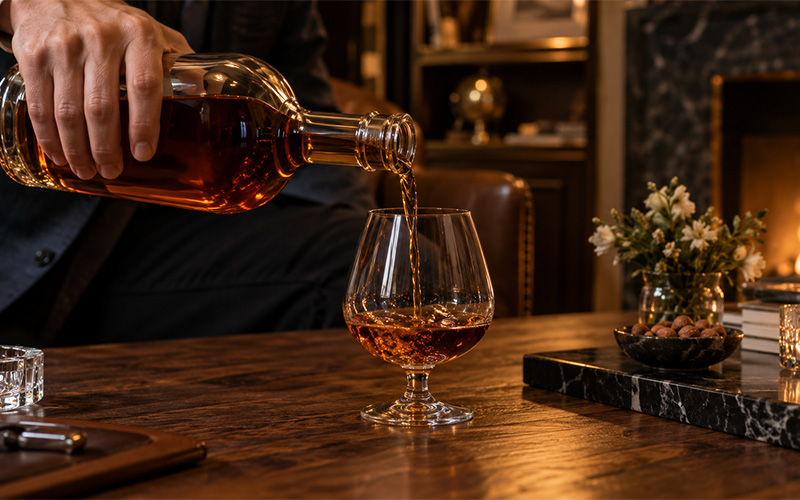
Once you understand the age categories, a few simple questions can help you narrow things down:
- How do you plan to drink it? If you are mixing cocktails, VS or VSOP is usually the more practical choice. For neat sipping, you may prefer VSOP, XO or older expressions.
- What flavours do you normally enjoy? Look for tasting notes that match your preferences, whether that is citrus and fresh fruit or richer notes like dried fruit, nuts, spice, and oak.
- Do you want something lighter or more mature? Younger Cognacs tend to feel fresher and livelier, while longer-aged styles often show more depth and oak influence.
- Is it for yourself or as a gift? At the far end of the spectrum, bottles such as LOUIS XIII The Classic are built from much older eaux-de-vie and are aimed more at collectors, gifting and significant occasions than everyday drinking.
We would use the age designation as the starting point, then compare the tasting notes to find the bottle that best matches how you actually want to drink it.
Conclusion
Once you understand what VS, VSOP, and XO actually mean, Cognac becomes much easier to navigate. The Cognac label can point you towards a fresher, more versatile, or more mature style, while the tasting notes help you decide whether the bottle suits your palate.
At Life N Liquor, we work directly with renowned distilleries and breweries, with no third parties or shortcuts in between. Every bottle we offer is 100% authentic, carefully stored and responsibly sourced. Our wider collection is handpicked for enthusiasts and collectors, spanning Japanese whisky, aged Scotch, Cognac, baijiu, and more.
Whether you are exploring a new category or looking for something more special, you can browse our selection online and have your chosen bottles delivered across Singapore.
Frequently Asked Questions
1. Should Cognac be served chilled or at room temperature?
We generally recommend serving Cognac at room temperature, especially if you drink it neat, as this lets more of its aroma and flavour come through. If you prefer it cooler, a large ice cube can work well, particularly with younger styles.
2. How long does an opened bottle of Cognac last?
Cognac does not spoil quickly after opening, but its flavour can gradually change as more air enters the bottle. Keep it tightly sealed, upright and away from heat or direct sunlight. Bottles with only a small amount left are best enjoyed sooner, as the higher air-to-spirit ratio can speed up flavour changes.
3. What type of glass should you use for Cognac?
A tulip-shaped glass is a good choice because its narrower opening helps concentrate the aromas without trapping too much alcohol vapour. A standard whisky or rocks glass is also perfectly suitable for casual drinking, especially if you are serving Cognac over ice.