Key Takeaways
- If you are new to sake, start with a light, clean, and aromatic style. Dassai and Tatenokawa are two approachable options we often recommend for first-time drinkers.
- The best sake for beginners should match flavours you already enjoy. Fruity and floral styles tend to suit wine or cocktail drinkers, while drier and more savoury sake may appeal to those who enjoy richer food and drinks.
- Consider when you will be drinking it. Hakurakusei works well with food, Atago no Matsu suits casual occasions, while Juyondai may be more appropriate for a celebration or premium experience.
Introduction
Trying sake for the first time can feel a little confusing, especially with so many styles, grades, and unfamiliar labels to choose from. At Life N Liquor, we usually suggest starting with a light, clean, and aromatic bottle, particularly if you already enjoy white wine, sparkling wine, or floral cocktails.
The best sake for beginners is ultimately one that matches flavours you already enjoy. Dassai and Tatenokawa are approachable starting points, while Hakurakusei can be a good option if you plan to enjoy sake with food. Below, we share four bottles worth exploring, along with simple tips to help you choose your first one.
4 Beginner-Friendly Sakes We Recommend Trying First
1. Dassai for a Light, Fruity Introduction
Dassai is one of the best sakes for beginners, especially if you already enjoy aromatic white wines, Champagne, or lighter cocktails. This is a globally famous Japanese sake brand brewed in the mountains of Yamaguchi Prefecture, and is known for its delicate aromas of melon, peach, and honey with a smooth, silky texture and a clean finish.
This makes Dassai sake a useful starting point if you want sake that feels fresh and easy to understand from the first sip. It also comes in several expressions with different rice-polishing ratios, allowing you to explore how a more refined style can change a sake’s aroma, texture, and finish.
2. Tatenokawa for a Crisp, More Restrained Style
Tatenokawa is one of the best sake brands to consider if you like drinks that are fresh and balanced but not overly fruity. Depending on the expression, you may find gentle citrus, floral, and rice-derived notes, together with a sharper acidity and a cleaner, drier finish. This means the sake feels fragrant without being too sweet, with enough savoury depth to work well alongside food.
For a beginner, the main difference is that Tatenokawa sake can feel less overtly fruit-driven than Dassai. We would suggest it if you usually prefer dry white wine, lighter highballs, or drinks that finish crisp rather than sweet. Plus, it works particularly well chilled alongside sashimi, grilled fish, tofu, tempura, or lighter dishes where the acidity can keep the pairing feeling fresh.
3. Hakurakusei for Drinking With Food
If your main priority is enjoying sake with dinner rather than drinking it on its own, Hakurakusei sake is what we would recommend. Its style tends to be dry, clean, and relatively understated, which allows it to sit alongside food without competing with stronger flavours.
That makes it useful for those who may find very aromatic sakes like Dassai 23 to be a little too perfumed. Instead, you can focus on how its acidity and savoury notes work with what you are eating. We recommend having a cup of Hakurakusei while indulging in dishes like sushi, grilled fish, chicken, steamboat, yakitori, or lighter zi char dishes.
4. Atago no Matsu for a Dry, Easygoing Everyday Bottle
Want something that feels casual and food-friendly rather than luxurious or highly aromatic? Consider a bottle of Atago no Matsu. Many of its expressions lean towards a cleaner, drier style, with less obvious sweetness and a finish that does not linger too heavily.
For beginners, this can be a useful introduction to the drier side of sake. If you normally drink lager, dry white wine, whisky highballs, or other crisp drinks, Atago no Matsu may be a more familiar choice. Since it’s the kind of bottle we would open for a relaxed gathering rather than save for a special occasion, it’s best served alongside weekday dinners, yakitori, grilled seafood, or izakaya-style dishes.
What to Consider Before Choosing Your First Sake
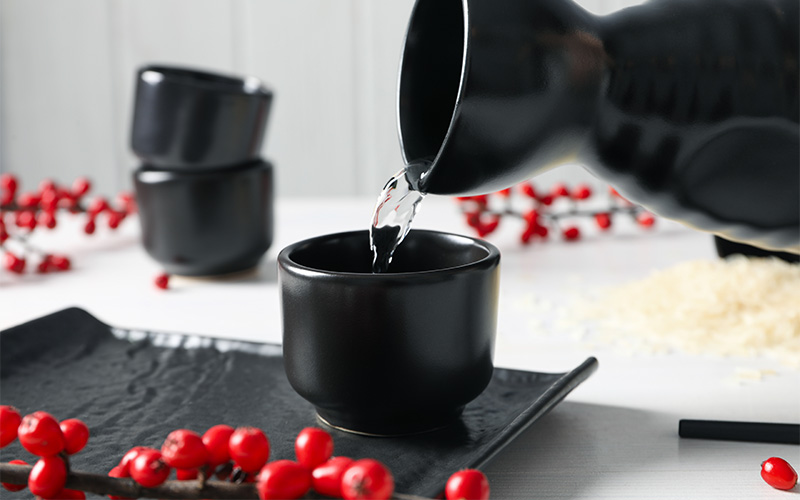
Once you have a few bottles in mind, the next step is narrowing them down based on how you actually plan to enjoy the sake. We usually recommend looking at three simple factors: the flavours you already like, what you are eating, and the occasion.
1. Start With Flavours You Already Enjoy
One of the easiest ways to choose the best sake as a beginner is to think about the flavour profiles of the drinks that you already enjoy. If you prefer more aromatic styles like Sauvignon Blanc, Prosecco, or floral cocktails, Ginjo or Daiginjo sake can be a good place to begin. These are made with more highly polished rice, which generally creates a cleaner, more fragrant profile with fruit and floral notes.
Prefer whisky, richer wines, or savoury food? Look towards Junmai sake or bottles described as dry, umami-led, or rice-forward, which tend to show more body and savoury character. Junmai is made without added distilled alcohol and often shows more of the rice itself, resulting in a fuller body and more savoury character.
2. Let the Meal Guide Your Choice
Rather than matching every dish individually, focus on the overall weight and flavour of the meal.
With lighter, fresher fare like sashimi, fresh seafood, or appetisers, we would usually lean towards a fragrant Ginjo or Daiginjo with a clean finish. Heavier and richer dishes like grilled meats and hotpot tend to work better with a drier Junmai that helps balance the richness with more pronounced acidity.
3. Match the Bottle to the Occasion
For a casual dinner or first tasting, we would usually choose something versatile and easy to share, such as Dassai, Tatenokawa, or Atago no Matsu. These styles are approachable enough to drink on their own but still pair well with a range of dishes.
For birthdays, anniversaries, or gifting, you may want a bottle that feels more distinctive. A highly polished Daiginjo or a sought-after label such as Juyondai sake can bring more complexity, stronger presentation value, and a greater sense of occasion.
Conclusion
Choosing your first bottle of sake does not need to come down to memorising grades, polishing ratios, or brewery terminology. A better starting point is to think about the flavours you already enjoy, what you plan to eat, and the kind of occasion you are buying for.
At Life ‘N Liquor, we work directly with renowned breweries and distilleries, without relying on third parties. This means every bottle we offer is 100% authentic, carefully stored, and responsibly sourced. Explore our range to find the best sake for beginners, from approachable everyday bottles to more distinctive expressions, with delivery available across Singapore.
Frequently Asked Questions
1. Should sake be served chilled or warm?
It depends on the style. Ginjo and Daiginjo sake are commonly served chilled, around 5–10°C, to keep their fruit and floral aromas fresh. Fuller Junmai styles can also be enjoyed at room temperature or gently warmed to around 40–45°C, which can bring out more body and umami. If you are unsure about how to best serve sake, we usually recommend starting chilled.
2. How long does an opened bottle of sake last?
Once opened, sake should be kept refrigerated with the cap tightly closed. While it can generally be stored this way for around one to two weeks, we recommend enjoying it within one to two days, especially if you want to experience its aromas and flavours at their freshest.
3. What size sake bottle should I buy for my first try?
A 720 ml bottle is a practical starting point for most beginners and is easy to share over dinner. If you are tasting with friends or comparing several styles, smaller bottles can be more useful so you can explore without committing to too much of one sake.