Key Takeaways
- Baijiu is a traditional Chinese distilled spirit made from grains and usually served in small pours.
- Four well-known styles are sauce, strong, light, and rice aroma, each with a distinct flavour profile.
- Sauce aroma is savoury and layered, strong aroma is bold and fragrant, light aroma is cleaner and drier, and rice aroma is softer and more floral.
- If you are new to baijiu, start with flavours you already enjoy and try it alongside food.
- Moutai and Xijiu are useful names to know if you want to explore premium sauce-style expressions.
Introduction
For younger drinkers in Singapore, Baijiu can feel a little intimidating at first. Its higher alcohol content, unfamiliar aroma categories, and reputation as a traditional Chinese spirit can make it hard to know where to begin. What many first-time drinkers do not realise is just how varied Baijiu can be, with different types and aroma styles offering very different flavours and drinking experiences.
Depending on the aroma style, one bottle may be clean and crisp, while another can taste fruity, floral, savoury, or deeply layered. Below, we break down the main aroma styles and what each one tastes like, so you can find a bottle that suits your palate.
What Is Baijiu?
Baijiu is a Chinese liquor traditionally distilled from grains such as sorghum, rice, wheat, or corn. It is usually clear and higher in alcohol than wine or sake, so it is typically served in small pours.
Much of its variety comes from how it is fermented and produced. Different grains, fermentation starters, and ageing methods can create very different aromas and textures. If you are new to baijiu, we recommend starting with the aroma style, as it gives you the clearest idea of what to expect in the glass.
What Are the 4 Main Types of Baijiu?
1. Sauce Aroma (Jiangxiang): Rich, Savoury and Layered
Sauce aroma baijiu is known for its deep, savoury character and long finish. Depending on the expression, you may notice roasted, nutty, earthy, fermented, or umami-like notes, often with a fuller texture than lighter baijiu styles.
Two well-known names in this category are:
- Moutai: Moutai tends to show a more aromatic and elegant side of sauce aroma baijiu. Expressions such as Moutai Flying Fairy can bring floral, fruity, sweet, and dried-herb notes alongside its distinctive fermented character. We would consider it if you enjoy complex spirits that gradually reveal different aromas as you sip.
- Xijiu: Xijiu can lean richer and more savoury, with expressions showing fermented grain, nuts, soy-like notes, gentle smokiness, and sweetness. It often has a smooth, rounded mouthfeel, making it an interesting option if you prefer fuller, more umami-led spirits.
If you already like aged Cognac, fuller-bodied whisky, or bold savoury flavours, this style may be a good place to start.
2. Strong Aroma (Nongxiang): Bold and Expressive
Strong aroma baijiu is known for its pronounced fragrance and fuller body. Compared with sauce aroma, it often comes across as fruitier and sweeter, with notes that can suggest ripe fruit, florals, spice, or fermented grain.
We would suggest this style to drinkers who already enjoy bold, aromatic spirits and do not mind something with plenty of presence. If you like richer whiskies, aged rum, or spirits with a noticeable sweetness and fragrance, consider a bottle of strong aroma baijiu.
3. Light Aroma (Qingxiang): Clean and Straightforward
Despite the name, light aroma baijiu does not mean low in alcohol. It refers to a cleaner, less intensely fragrant style of baijiu, usually with a drier, crisper profile and a more straightforward finish.
This style can suit drinkers who prefer spirits that feel precise, dry, and less perfumed. If you usually gravitate towards cleaner vodkas, dry gin, or lighter whiskies, light aroma baijiu may feel like an easier place to start.
4. Rice Aroma (Mixiang): Soft and Floral
Rice aroma baijiu is typically softer and more delicate, with subtle floral, lightly sweet, and rice-derived notes. Its texture can feel smoother and gentler than the more robust sorghum-based styles.
We would recommend it to drinkers who prefer lighter, softer flavours or are already familiar with sake, soju, or other delicate Asian spirits. It can also be a good option if you are curious about the different types of baijiu but want to begin with something less intense.
How to Serve and Drink Baijiu At Home
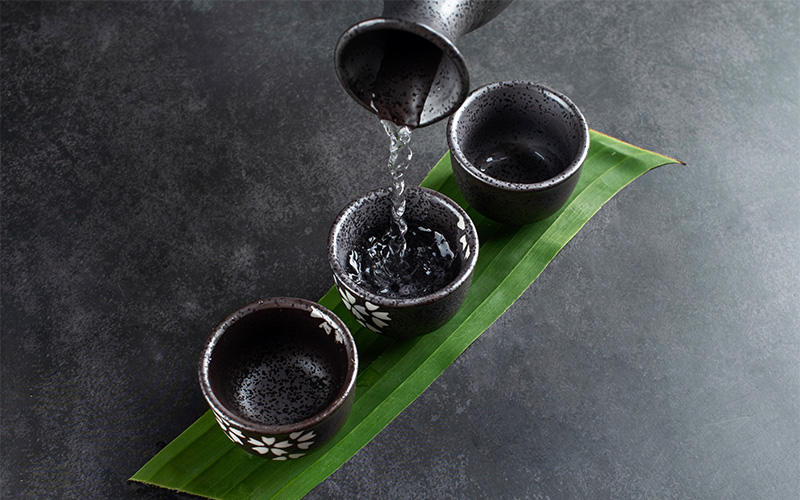
If you are trying baijiu at home for the first time, keep the tasting simple so you can focus on how the spirit actually tastes.
- Use a small glass: Baijiu is traditionally served in small cups, so begin with a modest pour rather than filling a standard spirits glass.
- Try it neat first: Start at room temperature before adding ice or mixers. This makes it easier to notice the aroma, texture, and finish.
- Sip slowly: Baijiu can be intense, especially if you are not used to higher-strength spirits. Take small sips instead of drinking it like a shot.
- Notice what develops: Once the initial warmth settles, look for notes such as fruit, florals, roasted grain, earthiness, sweetness, or savoury flavours.
- Compare styles side by side: If you have two different types of baijiu, pour a little of each and taste them one after the other. The contrast can make the differences between aroma styles much easier to pick up.
We would also keep some water nearby and leave a little time between pours, especially when tasting more than one style.
Conclusion
Your first taste of baijiu does not have to be a leap into the unknown. Once you know the different types of baijiu and aroma styles, choosing a bottle becomes much less intimidating. You can start with something cleaner and lighter, or go straight for a richer sauce aroma expression if you already enjoy bold, layered spirits.
At Life ‘N Liquor, we work directly with renowned distilleries and breweries, with no third parties or shortcuts in between. Every bottle we offer is 100% authentic, responsibly sourced, and carefully stored, so you can explore recognised names such as Moutai and Xijiu with greater confidence.
Explore our range of new products today.
Frequently Asked Questions
1. What is the difference between baijiu and other Asian spirits like sake or soju?
Baijiu stands out for both its production method and flavour intensity. It is typically fermented with “qu”, a solid-state starter culture, and then distilled, producing styles that can range from clean and grain-led to intensely fruity, savoury, or fermented. Sake is brewed rather than distilled and generally has a softer, lower-alcohol profile, while many modern sojus are lighter and more neutral in flavour. For first-time drinkers, Baijiu will usually feel the most aromatic and distinctive of the three.
2. Does baijiu age well after the bottle is opened?
Not usually. Once opened, Baijiu can slowly lose some of its aroma and character over time. Keep the bottle tightly sealed, stored upright, and away from heat or direct sunlight. For the best drinking experience, we would enjoy it while its original flavour profile is still intact.
3. What should you look for when buying baijiu as a gift?
Start with the recipient’s taste and the occasion. A premium sauce aroma baijiu is a popular choice for milestone celebrations or formal gifting, especially for someone who already enjoys complex spirits. We would also look for recognised producers, clear provenance, and a reputable retailer so you can buy with greater confidence.