Key Takeaways
- Choose sake based on the flavours you already enjoy, whether that means something light and aromatic or fuller and more savoury.
- Serving temperature matters: chilled sake tends to feel fresher and more aromatic, while room-temperature or gently warmed sake can bring out more body and umami.
- A small wine glass works well for aromatic sake, while ochoko cups are useful for smaller, shared pours.
- For food pairings, match the sake’s intensity to the dish: lighter styles with delicate food, and fuller styles with richer or more savoury flavours.
- If you are unsure about how to serve your sake, check the producer’s serving recommendation and experiment with temperature, glassware, and pairings.
Introduction
One of the things we like about sake is that there is no single “right” way to enjoy it. Some bottles are at their best well chilled and fragrant, while others open up as they approach room temperature or work especially well alongside food.
When customers ask us how to serve sake at home, we usually focus on four simple things: the bottle, temperature, glassware, and what is on the table. Most importantly, you do not need a fancy setup to get it right. A little thought about each of these can make the sake feel more balanced, expressive, and enjoyable from the first pour to the last.
1. Start With a Bottle That Matches Your Taste
If you are learning how to choose sake, start with flavours you already enjoy. Someone who likes crisp white wine may prefer a light, aromatic style, while a drinker who enjoys richer spirits may appreciate more body and savoury depth.
For a clean, fragrant introduction, we often recommend Dassai. A bottle of Dassai 23, for example, is highly polished and aromatic, with a lighter profile that makes it easier to focus on the fruit, floral notes, and smooth texture rather than stronger rice-driven or savoury flavours.
Tatenokawa sake is another good option if you prefer something light and refined. Its cleaner, more restrained style can appeal to drinkers who want freshness and structure without too much sweetness or richness.
Looking for a drink with a little more depth? Consider something like Miwatari, which has more noticeable rice-derived and savoury notes, offering a fuller, more rounded character.
2. Serve Sake at the Right Temperature
The serving temperature can change how sake tastes, smells and feels on the palate.
Chilled: Fresh and Aromatic
If you are unsure about how to serve sake for the first time, we recommend serving it chilled. Around 8 to 12°C is a good starting point for lighter, aromatic styles, as it keeps the sake feeling crisp while still letting its fruit, floral, and rice-derived aromas come through.
This is usually how Ginjo and Daiginjo sakes, including bottles such as Dassai and Tatenokawa, are served, since much of the enjoyment comes from their more delicate aromas and clean finish.
Room Temperature: More Texture and Body
Sake can be served at room temperature if you wish to savour more of its body, texture, and savoury character. At around 18 to 22°C, sake tends to feel softer and fuller than when chilled, with rice-derived and umami notes becoming easier to pick up.
You can try this with Junmai or other fuller-bodied styles, especially over a longer meal. As the sake sits in the glass, you may also notice the flavour becoming rounder and more expressive.
Warm: Rounder and More Savoury
For richer or more savoury sake, warming the drink gently can bring out a rounder texture and deeper rice and umami notes. Keep the temperature around 40 to 50°C, though this may vary by bottle.
Warmer sake can work particularly well with:
- Grilled meats and yakitori
- Hotpot and stews
- Broth-based dishes
- Mushrooms and other umami-rich foods
However, avoid serving delicate Ginjo or Daiginjo styles warm, since heat can mute some of the lighter aromas. It’s always best to check the producer’s serving recommendation before deciding on the serving temperature.
3. Use the Right Type of Glassware for Sake
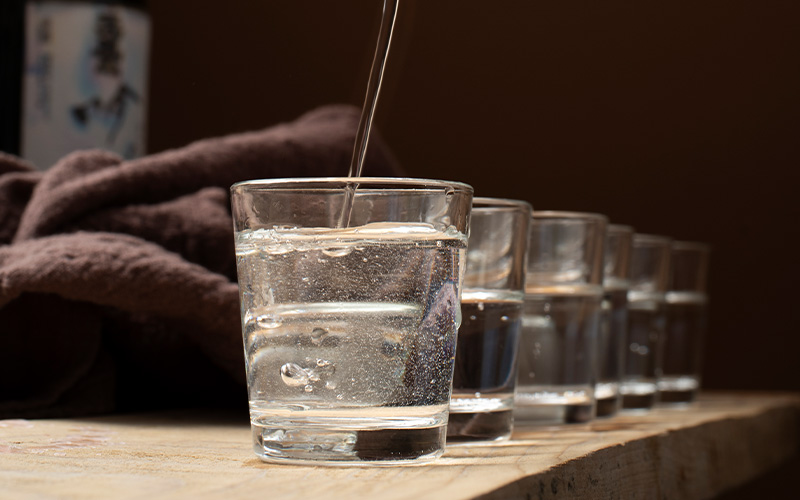
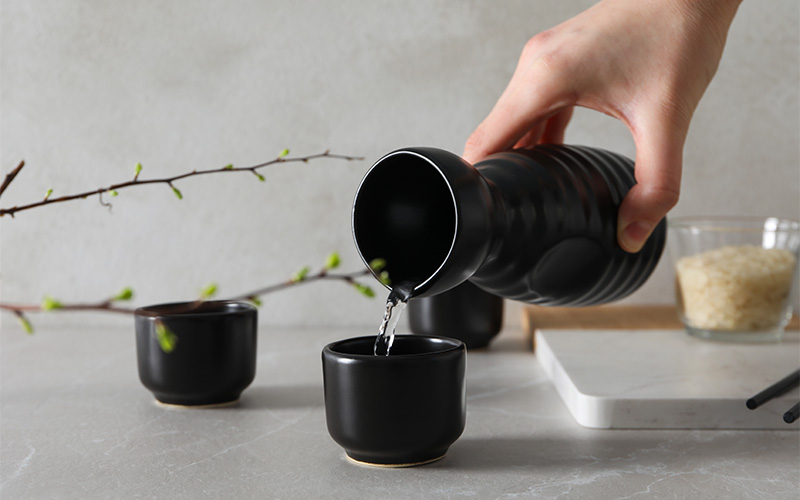
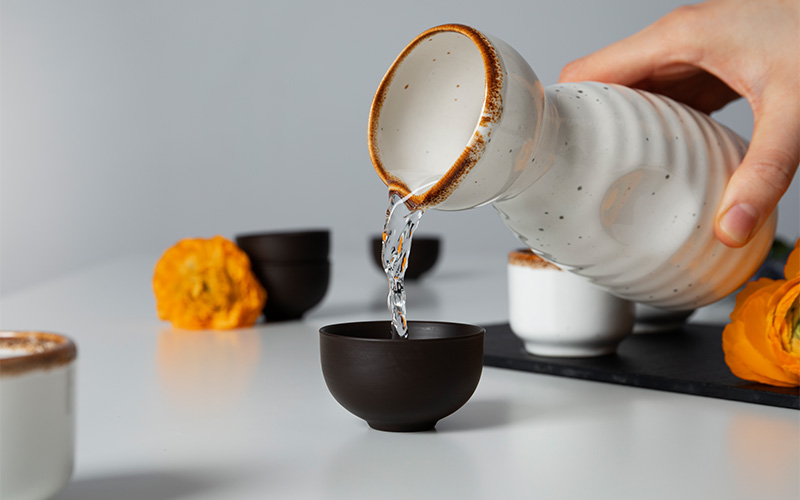
For most sake, a small wine glass or traditional ochoko cup works well. If the sake is aromatic, we generally prefer a small white wine glass because the wider bowl makes it easier to notice the fragrance. Ochoko cups are better suited to casual shared meals and smaller pours.
When pouring, fill the glass only about one-third to halfway. This leaves room for the aroma to develop and helps chilled sake stay cool for longer. If you are sharing a bottle, pour smaller servings and top up as needed rather than filling each glass to the brim.
4. Consider Sake Food Pairings
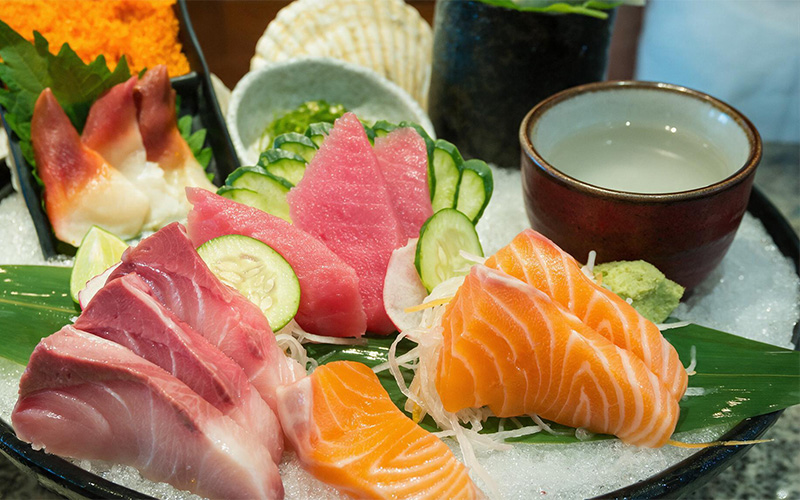
One of the best ways to serve sake is with delicious food. To master sake food pairings, start with the strongest flavour on the plate, then choose a bottle with a similar level of intensity.
- For sashimi, oysters, and lighter seafood: Try a clean, aromatic sake such as Dassai 23 or Atago No Matsu Junmai Daiginjo Hakutsurunishiki. These lighter styles complement delicate flavours without dominating them.
- For richer seafood such as fatty tuna or salmon: Move towards something with more body, such as Seppikosan Junmaishu. Its richer texture and savoury finish give it enough weight to sit alongside fattier fish.
- For grilled fish or tempura: Consider something like a Seppikosan Junmai Ginjo Aiyama. Its fresh fruit notes are balanced by greater richness, making it suitable for dishes such as prawn tempura and grilled fish.
- For a table with several different dishes: Look for a balanced, food-friendly sake rather than chasing a perfect pairing for every plate. Tatenokawa Keiryu Nakadori, for example, combines clean acidity with a more restrained aroma, making it easier to enjoy across a meal.
The easiest rule to remember is simple: start light with delicate dishes, then move towards fuller sake as the food becomes richer or more savoury.
Conclusion
Knowing how to serve sake does not mean memorising a long list of rules. It’s about making a few simple choices that suit the bottle in front of you, from serving temperature and glassware to the food you pair it with. Once you understand those basics, it becomes much easier to experiment and work out what you enjoy most.
Wondering where to buy sake in Singapore? At Life ‘N Liquor, we work directly with renowned breweries and trusted producers to bring in authentic sake, including both approachable favourites and more distinctive bottles for collectors or special occasions.
Explore our selection online and find a sake that suits your taste, meal, or next gathering at home.